
How Homeowners Can Recognize When Tree Removals Are Required
Trees add beauty, shade, and value to residential properties, but they can also become serious safety concerns when they are no longer healthy or structurally sound. While many tree problems can be addressed through pruning or routine maintenance, there are situations where tree removals become the safest and most practical solution. Knowing how to recognize the warning signs can help homeowners protect their families, homes, and surrounding landscapes before minor issues become major hazards.
Not every damaged or declining tree must be removed immediately, but ignoring visible signs of deterioration can increase the likelihood of falling branches, property damage, or injury. Understanding when professional evaluation is needed allows homeowners to make informed decisions about preserving or removing trees on their property. Early action also helps reduce emergency situations that often require more extensive cleanup and repairs after a tree unexpectedly fails.
Recognizing Structural Warning Signs
Looking for Large Dead Branches
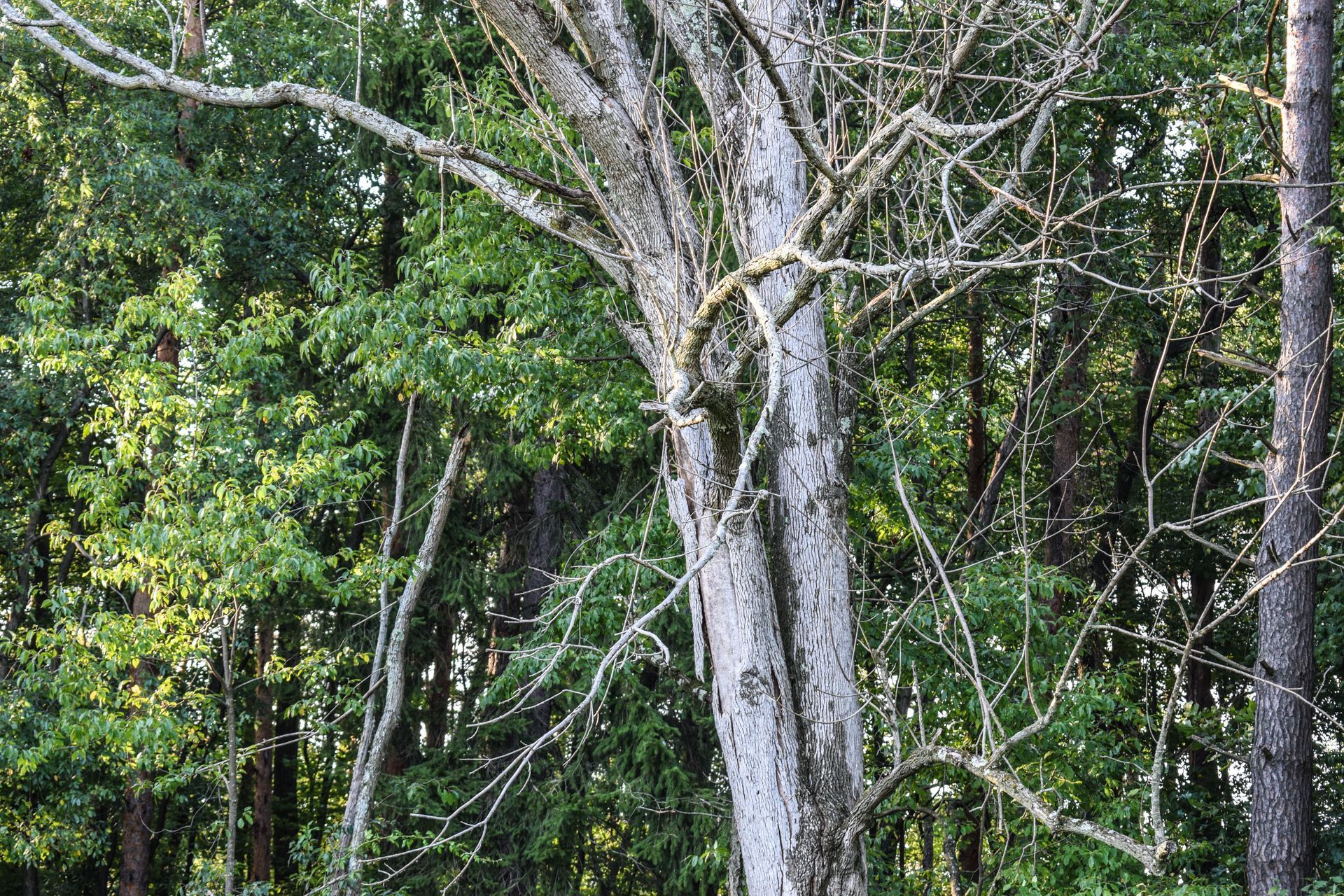
Dead branches are one of the most noticeable indicators that a tree may be struggling. While a few small dead limbs can often be removed through pruning, widespread branch death usually points to a more significant health problem. Large branches that no longer produce leaves, have brittle wood, or show peeling bark may eventually break without warning.
Falling limbs can damage vehicles, roofs, fences, outdoor furniture, and other landscape features. They can also create dangerous conditions for anyone walking or spending time beneath the tree. If multiple major limbs have died throughout the canopy, the tree may have reached a stage where repairs are no longer effective. A professional inspection can determine whether pruning is sufficient or whether tree removals are necessary to eliminate the safety risk.
Identifying Hollow or Decaying Trunks
The trunk serves as the foundation of the entire tree. When decay spreads through its interior, structural strength decreases substantially. According to the University of Maryland, removing a tree should be considered when approximately one-third of its internal wood has become hollow or decayed. This guideline helps property owners understand when internal damage has progressed beyond a safe threshold.
Visible cavities, fungal growth, soft wood, loose bark, or extensive cracks may all indicate internal deterioration. Since much of the damage may not be visible from the outside, experienced professionals can evaluate the tree's overall condition and determine whether it remains stable. Identifying internal decay early can help homeowners avoid unexpected failures that may occur during periods of high wind or heavy rain.
Watching for Leaning or Shifting Trees
Some trees naturally grow with a slight lean and remain perfectly stable for decades. However, a tree that suddenly begins leaning or appears to have shifted after heavy rain or high winds deserves immediate attention. Changes in the tree's position may indicate root failure or weakening soil support.
Other warning signs may include exposed roots, cracked soil around the base, or lifting ground on one side of the trunk. A leaning tree may continue standing temporarily, but its stability can rapidly worsen during future storms. Prompt evaluation helps determine whether corrective measures are possible or whether removal provides the safest long-term solution.
Evaluating Health and Environmental Risks
Noticing Signs of Disease
Tree diseases often develop gradually, making them easy to overlook during the early stages. Leaves may become discolored, branches may lose foliage prematurely, or unusual fungal growth may appear near the trunk or roots. Some diseases spread throughout the tree's vascular system, making recovery increasingly difficult as time passes.
Additional symptoms may include cankers, excessive deadwood, unusual sap flow, or insect infestations that target weakened trees. While certain infections can be managed with professional care, advanced disease sometimes leaves the tree too weak to recover. In these situations, tree removals may prevent the disease from spreading to nearby healthy trees while reducing the chance of unexpected failure.
Assessing Storm Damage
Strong winds, ice accumulation, lightning strikes, and heavy snowfall can all leave lasting damage. Even if a tree remains standing after severe weather, hidden structural weaknesses may continue to develop beneath the bark or within the root system.
Cracked trunks, split limbs, hanging branches, or exposed roots should never be ignored. Some damage may not become obvious until weeks or months after a storm, making follow-up inspections especially valuable. Professional crews can assess whether damaged sections can be safely removed or whether the entire tree has become unstable. Addressing storm damage quickly often prevents additional hazards from developing during the next weather event.
Considering Nearby Structures
Trees naturally expand as they mature, and their branches and roots may eventually interfere with nearby structures. Limbs growing directly above roofs, garages, fences, or utility lines can become increasingly hazardous if the tree begins declining.
Large root systems may also affect sidewalks, driveways, retaining walls, or underground utilities over time. In some situations, careful pruning provides enough clearance to maintain safety. However, when the tree's size, health, or location creates ongoing risks, tree removals may offer the most effective way to protect surrounding property from future damage while improving long-term landscape management.
Making Safe Long-Term Decisions
Scheduling Professional Evaluations
Many tree problems cannot be accurately diagnosed through a quick visual inspection alone. Professional arborists and experienced tree service specialists understand how to evaluate root systems, trunk integrity, branch structure, and overall health before recommending the appropriate course of action.
Routine evaluations allow potential issues to be identified early, giving homeowners more options before damage becomes severe. Even healthy-looking trees can contain hidden weaknesses that only trained professionals recognize. Regular inspections also help establish a maintenance plan that supports healthier growth and extends the life of trees that remain in good condition.
Understanding the Benefits of Stump Removal
Removing the tree itself is often only part of the process. Leaving an old stump behind can create obstacles for mowing, attract insects, encourage fungal growth, and reduce the overall appearance of the landscape.
Over time, old stumps can also produce unwanted sprouts that require ongoing maintenance and interfere with new landscaping projects. Professional stump grinding eliminates these concerns while allowing homeowners to restore the area for grass, gardens, or future landscaping projects. Completing both tree removals and stump grinding services will create a cleaner, safer outdoor environment and can reduce maintenance challenges moving forward.
Protecting Your Property With Timely Action
Waiting too long to address a hazardous tree can significantly increase the chances of costly property damage or personal injury. Trees rarely improve on their own once severe structural problems develop, making timely decisions especially important.
Prompt action also helps prevent neighboring trees from becoming damaged by falling limbs or spreading disease. Working with an experienced, licensed, and insured tree service provider gives homeowners confidence that every recommendation is based on safety, professional judgment, and the specific condition of the tree. Whether the solution involves trimming, pruning, stump grinding, or tree removals, prompt action helps preserve the beauty, functionality, and safety of the entire landscape.
Healthy trees remain one of the greatest assets a homeowner can have, but recognizing when one has become unsafe is equally important. Paying attention to warning signs such as decay, storm damage, disease, and structural instability allows problems to be addressed before they threaten people or property.
Professional evaluations provide peace of mind and help homeowners make informed decisions based on the condition of each tree. Addressing concerns before they become emergencies often results in safer outcomes and protects the long-term health of the surrounding landscape. If you're a homeowner noticing signs that you need expert tree removals, reach out to R & K Complete Landscaping Service!

Share On: